New venture-backed company aims to commercialize advanced enhanced geothermal systems as demand for reliable clean power accelerates
NEW YORK, June 2026 — Birch Geothermal, a venture-backed energy infrastructure developer incubated by Montauk Capital, emerged from stealth this month with plans to commercialize a new generation of enhanced geothermal systems (EGS) designed to deliver continuous, carbon-free electricity at utility scale.
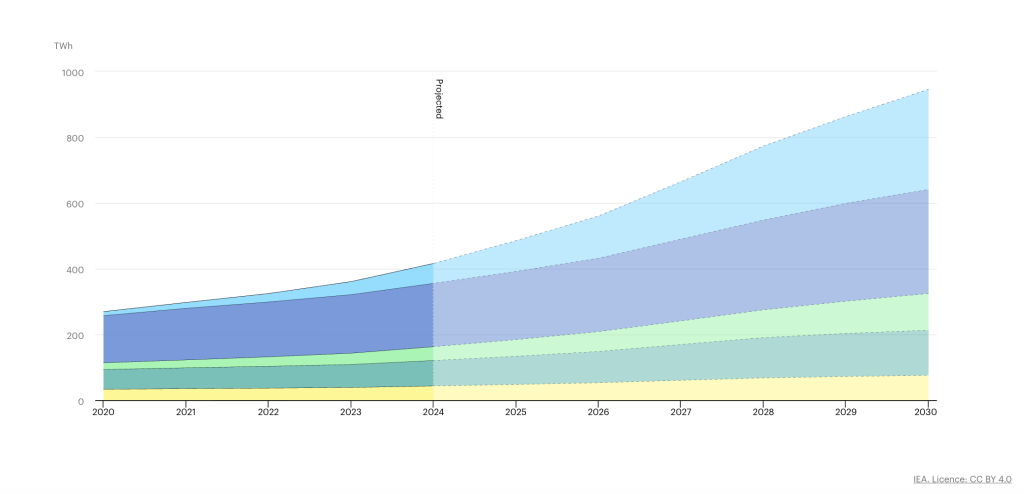
The company enters the market as rapid AI infrastructure growth and hyperscale data center expansion strain power grids worldwide, while delays in natural gas turbine manufacturing and growing regulatory challenges for wind projects intensify concerns about future energy supply.
“Demand for reliable electricity is growing faster than new generation capacity can be built,” said CEO and co-founder Mike Matson. “The world needs clean power that operates around the clock, and geothermal offers one of the few pathways to achieving that.”
A New Approach to Geothermal Energy
Unlike traditional geothermal projects, which rely on naturally occurring underground heat reservoirs, Birch focuses on advanced EGS technology that creates engineered reservoirs deep beneath the Earth’s surface, enabling geothermal production in regions previously considered unsuitable for development.
Earlier EGS projects struggled with fluid loss, uneven heat extraction, and declining performance over time.
Birch’s second-generation approach addresses those limitations through intelligent well systems, advanced reservoir engineering, real-time telemetry, and machine-learning-driven subsurface modeling to precisely manage underground fluid flow, maximize heat recovery, and extend asset lifespan.
“We’re moving geothermal from a resource discovery business into an engineering business,” Matson said. “The goal is predictable, scalable energy production that can be financed and deployed like other critical infrastructure.”

Built on Oil and Gas Expertise
Rather than inventing entirely new hardware, Birch plans to repurpose drilling equipment, reservoir simulation tools, downhole sensors, and subsurface engineering techniques refined over decades by the petroleum industry.
Many of Birch’s leaders come directly from oil and gas backgrounds. Matson previously worked as a drilling and reservoir engineer at Kinder Morgan and Occidental Petroleum before advising energy companies on geothermal and carbon management as Global Lead of Geothermal at Boston Consulting Group.
Chief Geoscientist Matt Minnick brings nearly two decades of geothermal development experience across North America, South America, Africa, and New Zealand. Head of Engineering Koenraad Beckers previously led geothermal engineering initiatives at reservoir simulation company ResFrac and helped develop GEOPHIRES, one of the industry’s most widely used geothermal economic modeling platforms.
The company has also recruited AI specialist Kai Shah to develop machine-learning systems for analyzing subsurface operational data and optimizing reservoir performance in real time.
Backed by Montauk Capital’s ‘Electron Economy’ Thesis
Birch was incubated by New York-based venture studio Montauk Capital, which focuses on infrastructure opportunities tied to what it describes as the “Electron Economy,” a future increasingly driven by AI, electrification, and advanced computing.
The firm’s thesis centers on a growing mismatch between electricity demand and the availability of reliable clean power.

As data center operators search for carbon-free energy capable of running continuously, geothermal is attracting renewed interest for its ability to provide baseload electricity independent of weather conditions.
Industry analysts estimate that AI-related energy demand could require tens of gigawatts of additional generation over the coming decade, creating opportunities for technologies that complement intermittent sources like solar and wind.
Leave a Reply